Synectics
A lesson approach fostering student creativity and metaphorical thinking

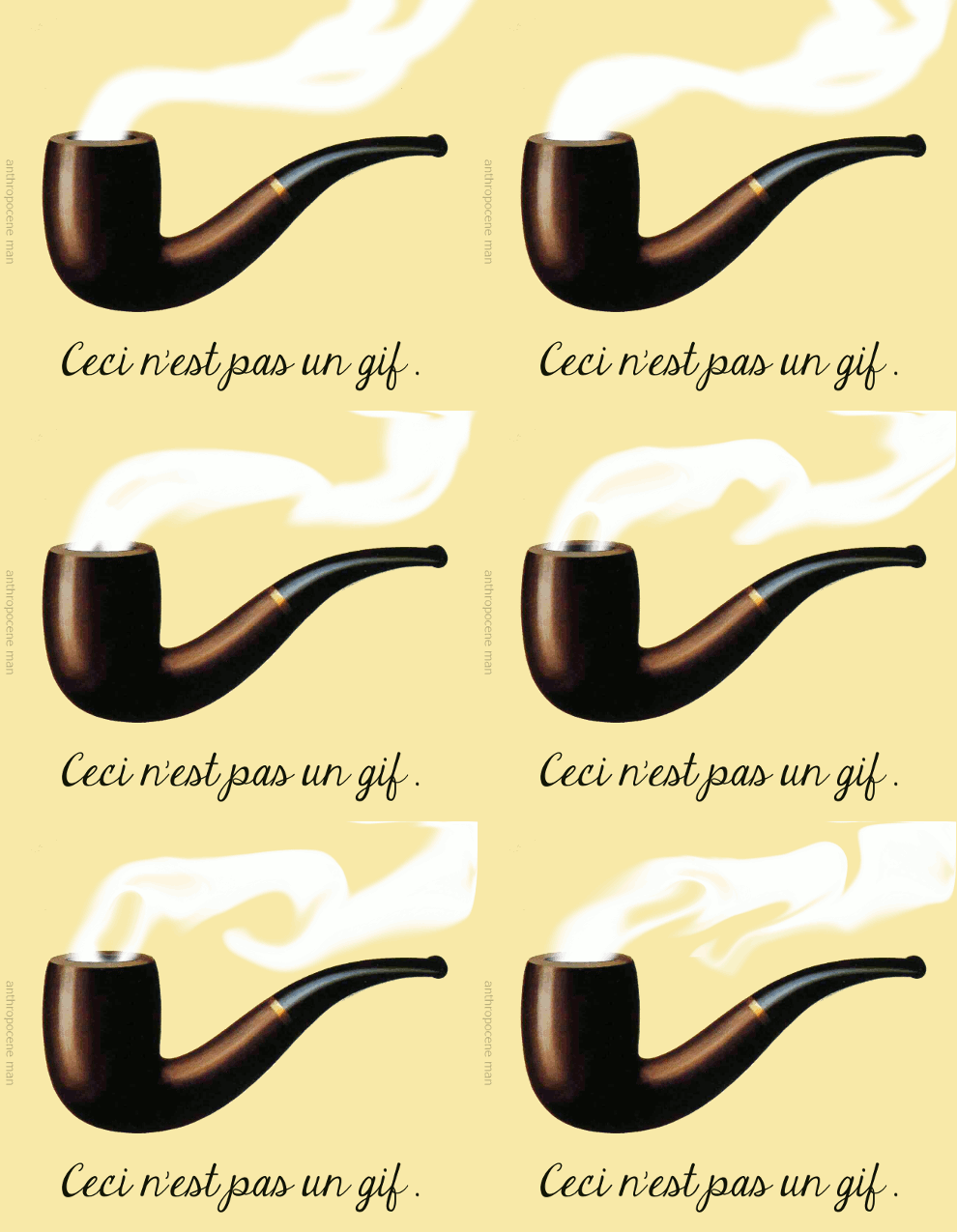
Creativity and metaphorical thinking is the engine of intelligence (Lakoff). While it may be difficult to teach directly to a class, teachers can nurture creativity by making their lessons more “out of the box” and allowing students to grow these muscles through well-planned activities. See my last post about “creativity”.
Thinking of this brought to mind a memory from my time at the Faculty of Education (I still call it “Teachers’ College, it’s a better label).
I was new on the faculty and one Saturday morning a spry woman poked her head through my office door and introduced herself. She was the art teacher and she wondered if I’d enjoy attending a conference session on “Synectics”.
I’d vaguely heard of the term so feigned disinterest but her energy was contagious and so off I went to attend a session at the ICE (Imagination, Creativity, Education) Conference.
I attended her Art workshop: Exploring Your Creative Process Through Reflection, Dialogue and Art Making. Basically, we explored the concept of Synectics, an approach where you are asked to transform using metaphor, an object or idea/concept.
We used the book, "Not A Box" as "a trigger" to get us risk taking and creating. Something language teachers can do too. I know Ken Robinson has made creativity a bigger issue in education (video) but are we doing enough? This lesson really engenders and promotes creativity!

Basically, after reading the book together, we were put into groups and each group given a box. Each group had a box that was of differing sizes, some huge, some tiny. Then, we were asked to say, "This is not a box but this is a .......". Then, redesign our creation and talk about what principles of Synectics we used while creating.
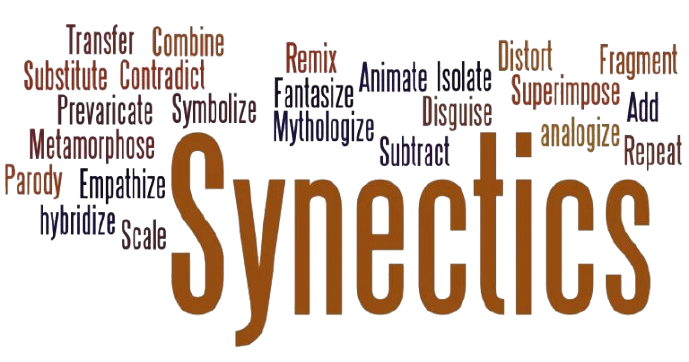
[Download the lesson plan pdf and worksheets. Also see It's not a stick ].
I say all this to cheerlead and hopefully get some teachers to try out a lesson or two asking your students to think along these lines.
Take an ordinary object and ask students to imagine it as something else.
It’s not a ……! It’s a …….!
I’ve created a whole activity book full of these prompts for teachers to use!
I’d also recommend this nice video - The Adventures Of A Cardboard Box. It will give students the idea of what you want them to do.
I say all this too because in these days where there are suggestions and attempts to automate school, lessons - attempts to suck the human out of teaching and education - synectics is one way to keep the human there, dead center and resist the paint by numbers approach to learning / teaching.